
When Collaboration Slows Instead of Speeds Up
Reclaiming the Power of Real Teamwork
Teamwork is often praised but rarely examined. Many teams look collaborative from the outside – meetings, shared plans, joint goals – but underneath, progress can still feel slow.
That’s because real teamwork isn’t about being in the same room. It’s about being aligned in purpose, rhythm, and accountability.
The hidden barriers to teamwork
You can have good people and still struggle to operate as a team.
• Meetings become discussions rather than decisions
• Shared goals get blurred by competing priorities
• Collaboration drains energy instead of creating it
• Tension builds because roles overlap or expectations differ
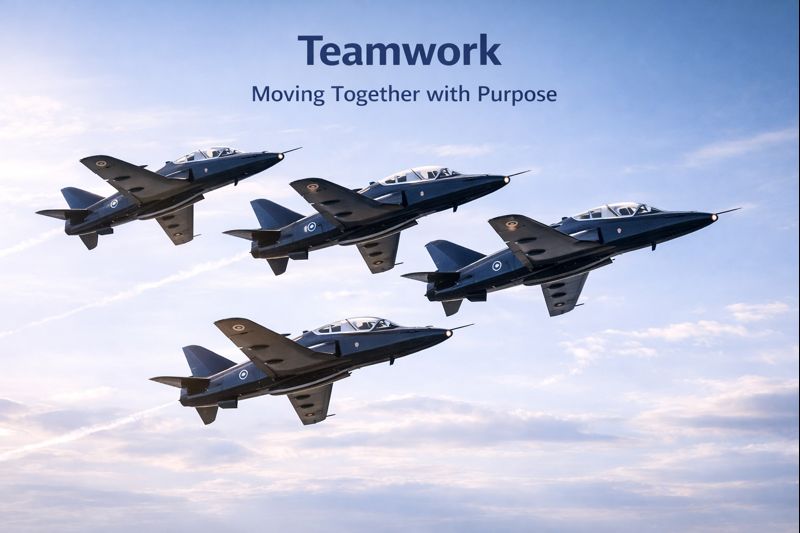
These aren’t personality issues – they’re structural signals. The system isn’t helping people perform together.
What great teamwork looks like
High-performing teams are clear on three things:
1) Direction – everyone knows the destination.
2) Contribution – everyone knows their part.
3) Cadence – everyone moves at the same pace.
When those are aligned, teamwork feels effortless.
Why this matters
Without joined-up teamwork, effort scatters. Leaders compensate by stepping in, which slows things down further. Cross-functional work becomes a battle of interpretations rather than collaboration.
Strong teamwork multiplies capability. Weak teamwork neutralises it.
The shift that makes the difference
True teamwork comes from shared clarity, not constant communication. Teams need space to breathe and the confidence to make decisions within boundaries.
When that happens, energy moves faster, meetings shrink, and results scale.
Wingman’s role
Wingman helps organisations strengthen collaboration through the Teamwork Dynamic of the LIFT Model. We help teams align on purpose, rhythm, and roles so that collaboration feels natural, not forced.
If your teams are full of activity but short on traction, it’s time to recalibrate teamwork.
Leave A Comment
You must be logged in to post a comment.