
When Trust Drops and Everything Gets Harder
Rebuilding the Foundation of Collaboration
When trust dips, even simple things become difficult. Conversations feel careful. Collaboration slows. People hold back ideas. Decisions take longer because everyone is checking everyone else.
Trust isn’t a soft concept – it’s a performance factor. When it’s missing, progress costs more energy.
How trust quietly breaks down
Trust rarely collapses in one moment. It fades through small signals.
• Commitments missed without explanation
• Feedback avoided because it feels risky
• People working harder to protect themselves than to connect with others
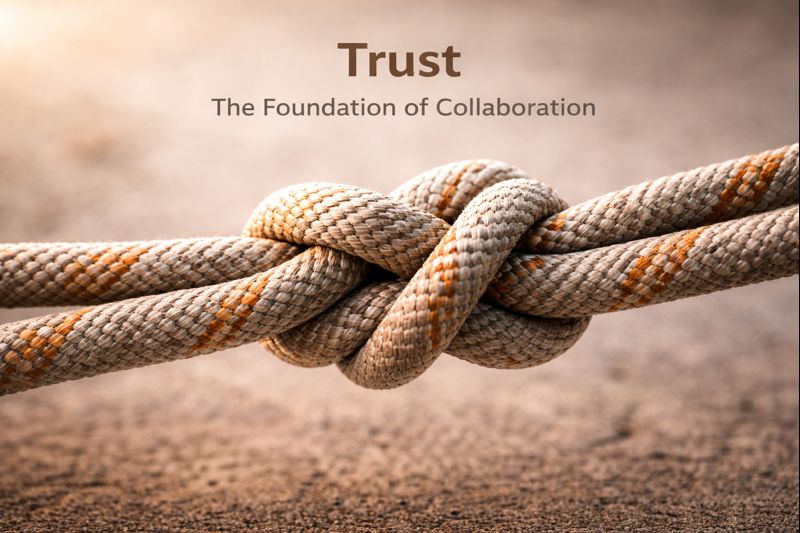
As it fades, accountability shifts from shared ownership to personal defence.
What trust actually does
Trust is the social infrastructure of performance. It allows challenge without conflict, disagreement without damage, and speed without fear.
When trust is high, people talk about the real issues. When it’s low, they talk around them.
What leaders can do
Leaders can’t demand trust, but they can create conditions for it.
• Keep promises visible
• Be consistent in behaviour
• Make it safe to question decisions
• Address tension quickly and directly
Trust grows when actions match words repeatedly over time.
The ripple effect of restored trust
When trust returns, energy lifts. Teams stop hedging. Conversations get shorter and clearer. People feel free to focus on outcomes, not politics.
It’s not about being comfortable – it’s about being confident in each other.
Wingman’s role
Wingman helps leadership teams strengthen the trust dynamic through the People Pillar of the LIFT Model. We work with teams to make trust practical – linking it to behaviour, follow-through, and consistency.
If trust feels fragile, start fixing it before it fades further.


Leave A Comment
You must be logged in to post a comment.